

How the next wave of breakout brands built conviction, not just design.
For the last decade, “pretty” was the fastest way to look like you belonged.
Clean logos, muted tones, perfectly balanced layouts — the DTC aesthetic became the default signal of credibility.
It worked because it felt intentional.
But the more founders and marketers copied it, the less meaning it had.
Now, every brand looks like a variation of the same formula — soft, clean, lowercase, neutral.
The aesthetic that once signaled innovation now signals imitation.
It’s not that minimalism doesn’t work, it’s that mimicry doesn’t scale.
The Comfort Trap
Founders chase aesthetic because it feels safe. It photographs well. It wins on Instagram. But brand isn’t supposed to blend in; it’s supposed to create conviction.
Design can make people look but it can’t make them believe.
The brands breaking out today aren’t the ones chasing polish — they’re the ones chasing pulse.
They lead with clarity, friction, and a worldview that can’t be faked in Figma.
The Outliers Proving the Point
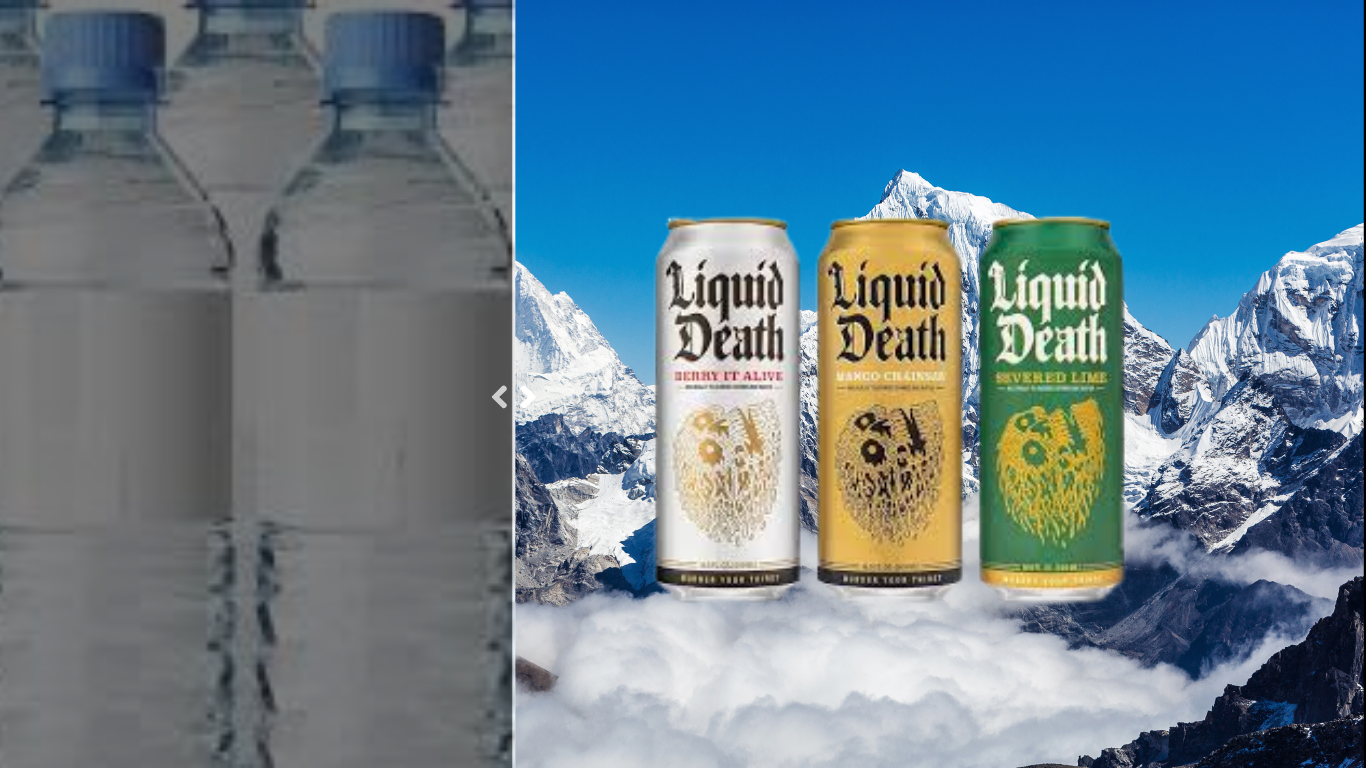
Liquid Death — $1.4B valuation
A canned water brand built like a humorous metal band for Millennial & Gen Z skaters.
They took a category obsessed with purity and flipped it with parody, performance, and punk energy.
In 2024, Liquid Death hit roughly $333M in revenue, proving that rebellion can be profitable when it’s strategic.

They didn’t sell water. They sold belonging.
Whoop — $3.6B valuation

While Fitbit and Apple Watch focused on steps, Whoop focused on self-discipline. Their data isn’t about activity; it’s about optimization.
They raised $400M+ by building a brand that attracts athletes, operators, and over-achievers who see tracking as status.
They made performance feel elite, not accessible.
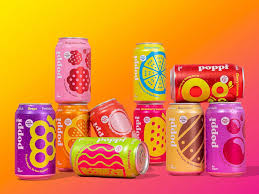
Poppi — Acquired by PepsiCo for $1.95B
Poppi made gut health look like main character energy and it was so culturally relevant. A time when gut health & biohacking was no longer a forbidden topic, but trending.
They turned a “functional soda” into cultural currency, surpassing $100M in sales before PepsiCo acquired them.
They didn’t teach wellness — they made it irresistible.
Vuori — $5.5B valuation

While the category shouted “grit + grind,” Vuori whispered “breathe.”
They reframed performance through ease and softness, building an empire off balance, not hustle.
With an $825M raise in 2024, Vuori became proof that calm can compete with intensity.
Drunk Elephant — Acquired by Shiseido for $845M
In a beauty world defined by quiet “clean” branding, Drunk Elephant got loud.
They made honesty fluorescent and confidence their packaging strategy.
Their bold voice and clarity on ingredients turned into an $845M exit — proof that clarity can cash out.

Why it worked
Each of these brands did one thing traditional “aesthetic” brands don’t:
They built belief systems, not just brand boards.
Their visuals weren’t minimal and aesthetic. They have substance and they were meaningful.
Their tone wasn’t safe, it was specific.
Their strategy wasn’t to fit the category, but rather, it was to redefine it.
Pretty gets attention.
Conviction builds retention.
That’s how they scaled.
The next era of brand
The next decade won’t belong to the brands with the sharpest design or the biggest budgets.
It’ll belong to the ones that feel human in a world run by AI.
Design will always matter, but only when it reflects a point of view worth defending.
Where authenticity becomes the algorithm.
And loyalty is built through habits, not hacks.
In the noise of automation, the brands that last will be the ones that connect through truth, by being interesting and relevant and intention.
How do you do that?
You start with great product. Product with purpose. Product that solves something real and stands for something bigger than itself.
Then you build a brand that extends beyond colors and logos.
A brand that shows up in how you make people feel, how you treat your customers, how you tell your story, and how you keep showing up when no one’s watching.
That’s how the next generation of iconic brands will be built — not by chasing aesthetics, but by creating culture.
“Pretty” will get replaced by “personal.”
The brands that win will be the ones that make people believe, buy, and come back.
Follow Along
For founder POVs by Tiffany Cooley, frameworks, and strategy deep dives:

Related:
What Tiffany Cooley, founder of Brand + Growth Co. does as a Fractional CMO



Comments +